
Harnessing PNG's natural resources for economic growth
Papua New Guinea (PNG) is one of the world’s most naturally gifted countries. It possesses fertile agricultural land, vast tropical forests, rich marine ecosystems, extraordinary biodiversity, and breathtaking landscapes. Despite these advantages, much of the population still experiences poverty, limited infrastructure, unemployment, and unequal access to development. The challenge for PNG is not a lack of resources, but how to manage and use them sustainably and effectively. By investing in agriculture, forestry, horticulture, fisheries, biodiversity conservation, and ecotourism, Papua New Guinea can build a stronger and more diversified economy while improving the lives of its people.
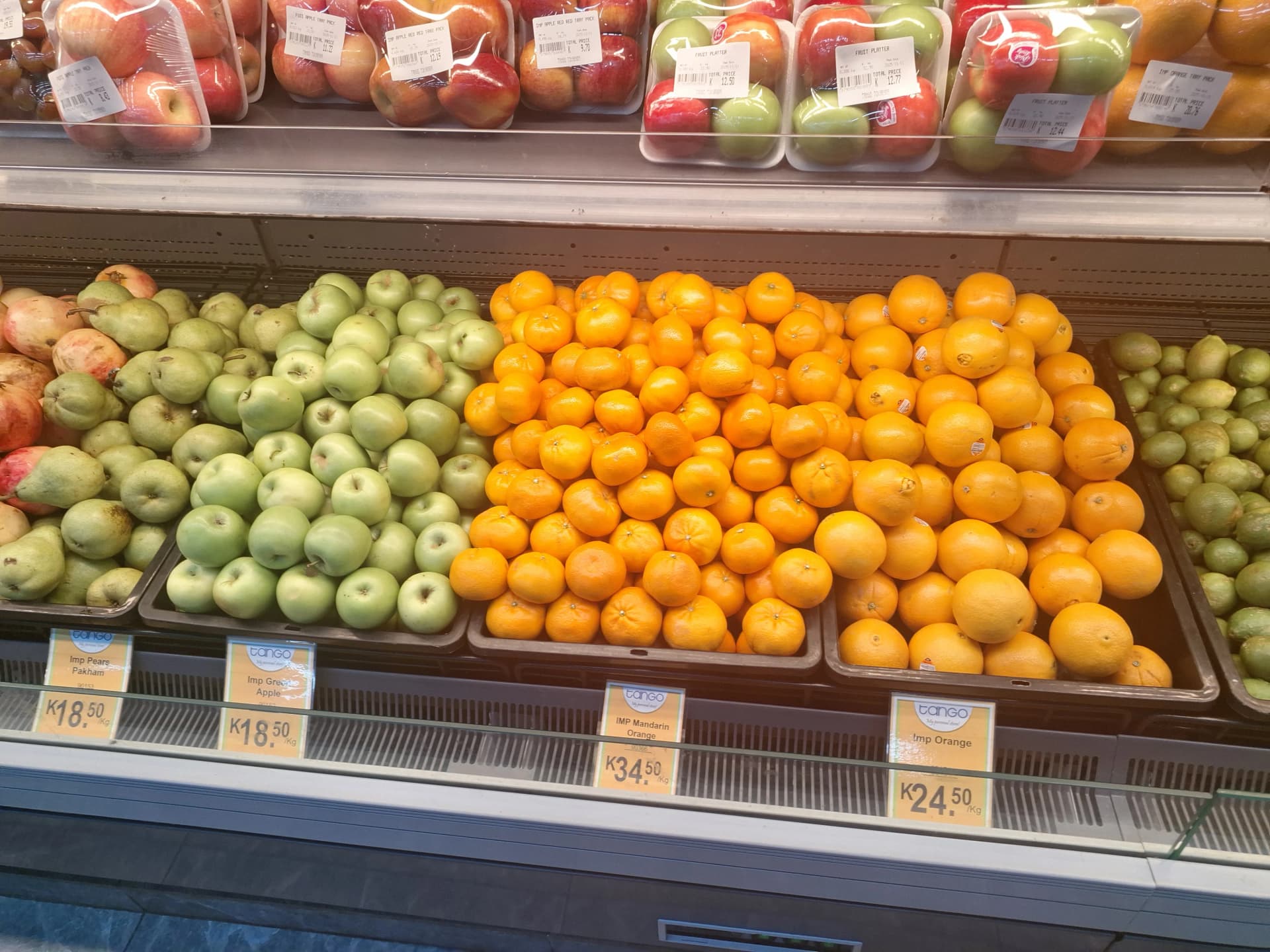
Fresh fruits for sale in a supermarket
Agriculture as the Foundation of Economic Development
Agriculture remains the backbone of Papua New Guinea’s economy because the majority of the population depends on farming for food and income. Crops such as coffee, cocoa, copra, oil palm, tea, and vanilla are already important exports. However, productivity is often low due to poor roads, lack of modern farming methods, limited access to markets, and insufficient government support.
PNG could improve its economy by modernizing agriculture through better training, improved seeds, irrigation systems, and farming equipment. Farmers should be encouraged to form cooperatives so they can access larger markets and negotiate better prices. Building rural roads and storage facilities would reduce transport costs and food wastage. The government and private sector could also invest in food-processing industries so that PNG exports finished products instead of raw materials. For example, instead of exporting raw cocoa beans, PNG could produce chocolate products for international markets. Value-added processing would create jobs, increase export earnings, and stimulate local industries.
Agriculture can also improve food security and reduce dependence on imported food. By strengthening local food production, PNG can save foreign exchange and support healthier diets for its population.
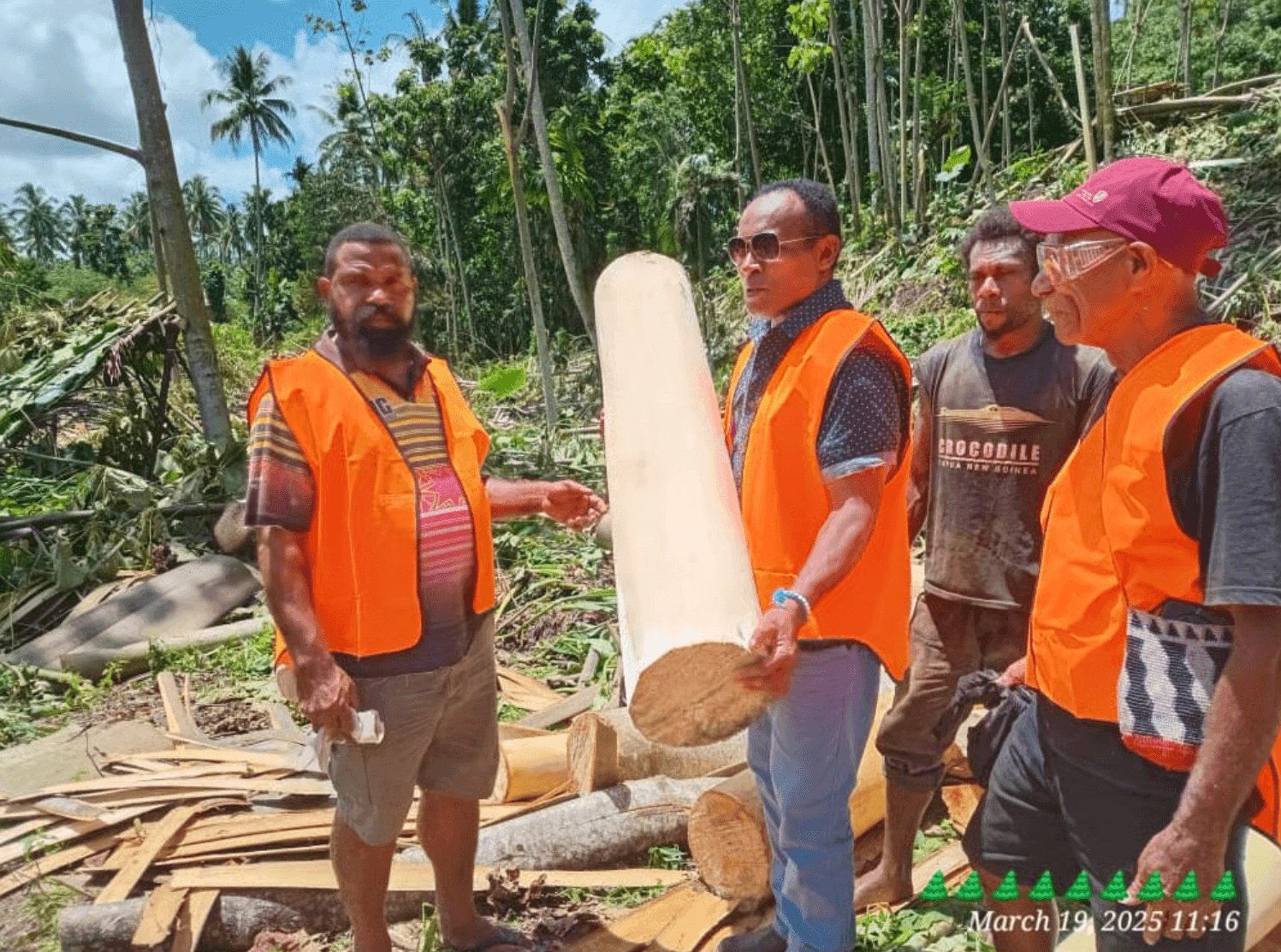
Balsa harvesting
Sustainable Forestry for Long-Term Benefits
Papua New Guinea contains some of the largest tropical rainforests in the Pacific region. These forests provide timber, protect water systems, store carbon, and support countless plant and animal species. Forestry has the potential to generate major income, but illegal logging and unsustainable harvesting have often caused environmental damage and deprived local communities of fair benefits.
To improve the economy sustainably, PNG should promote responsible forest management. Logging companies must follow strict environmental regulations, replant harvested areas, and ensure transparency in their operations. Community-based forestry programs could allow local landowners to manage forests and benefit directly from timber sales.
Instead of exporting raw logs, PNG could establish more timber-processing factories to manufacture furniture, plywood, and other wood products locally. This would create skilled employment and increase the value of exports. Sustainable forestry would ensure that future generations continue to benefit from forest resources while protecting the environment.
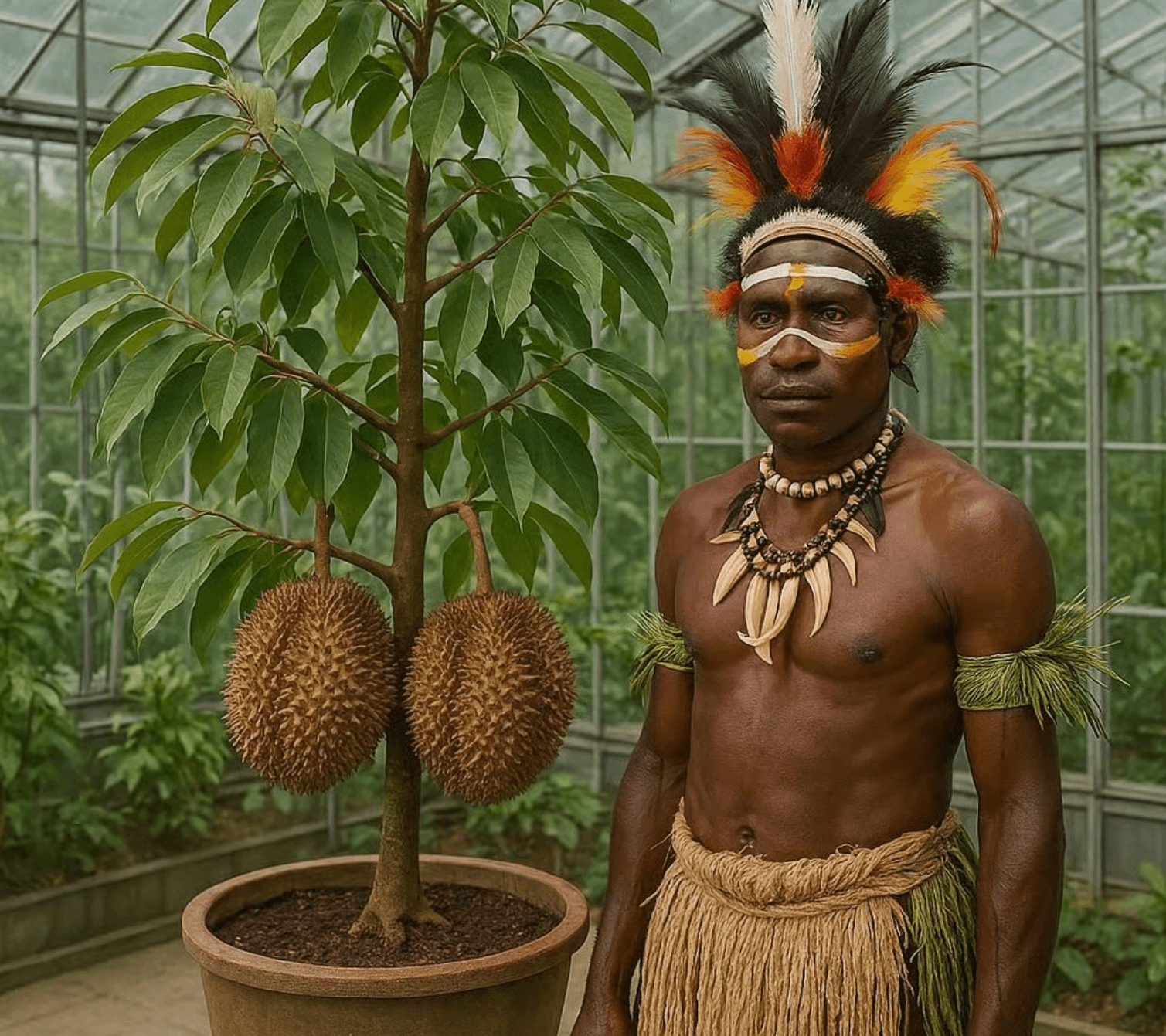
Cultivation of Durian
Expanding Horticulture and High-Value Crops
Horticulture offers another opportunity for economic growth. PNG’s climate allows the production of fruits, vegetables, flowers, spices, and nuts that are highly valued in international markets. Products such as vanilla, cardamom, tropical fruits, and orchids have strong export potential.
The government could support horticulture by improving research, providing extension services, and helping farmers meet international quality standards. Air transport and cold-storage systems are also essential because horticultural products are often perishable. With better infrastructure and marketing, PNG farmers could access regional and global markets more effectively.
Urbanization is also increasing demand for fresh produce within PNG itself. Expanding horticulture could therefore improve nutrition, create employment, and generate income for both rural and urban communities.
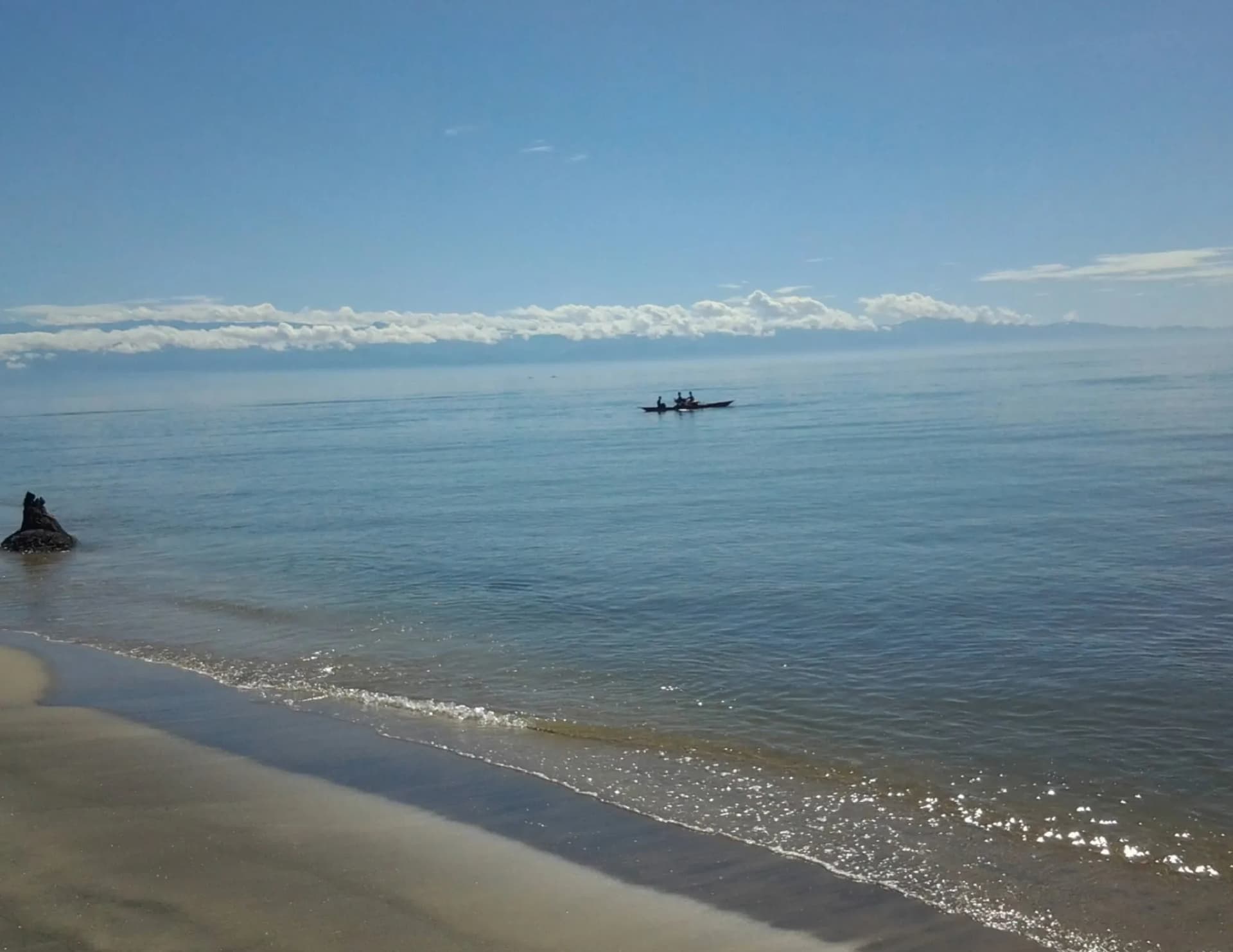
Coastal fishing
Developing Fisheries and Marine Resources
Papua New Guinea has rich marine resources, including tuna fisheries that are among the most valuable in the Pacific. Coastal communities have long relied on fishing for food and livelihoods, but much of the wealth from PNG’s fisheries has been captured by foreign companies.
PNG could gain greater economic benefits by strengthening local participation in the fishing industry. This includes investing in local fishing fleets, fish-processing facilities, cold storage, and export systems. Processing fish domestically rather than exporting raw catches would increase national revenue and create jobs.
Sustainable fishing practices are essential to prevent overfishing and protect marine ecosystems. Strong monitoring and enforcement of fishing regulations would ensure that fish stocks remain healthy. Aquaculture, such as fish and prawn farming, could also provide new sources of income and food security.
By managing marine resources wisely, PNG can build a profitable fishing industry while preserving ocean ecosystems for future generations.
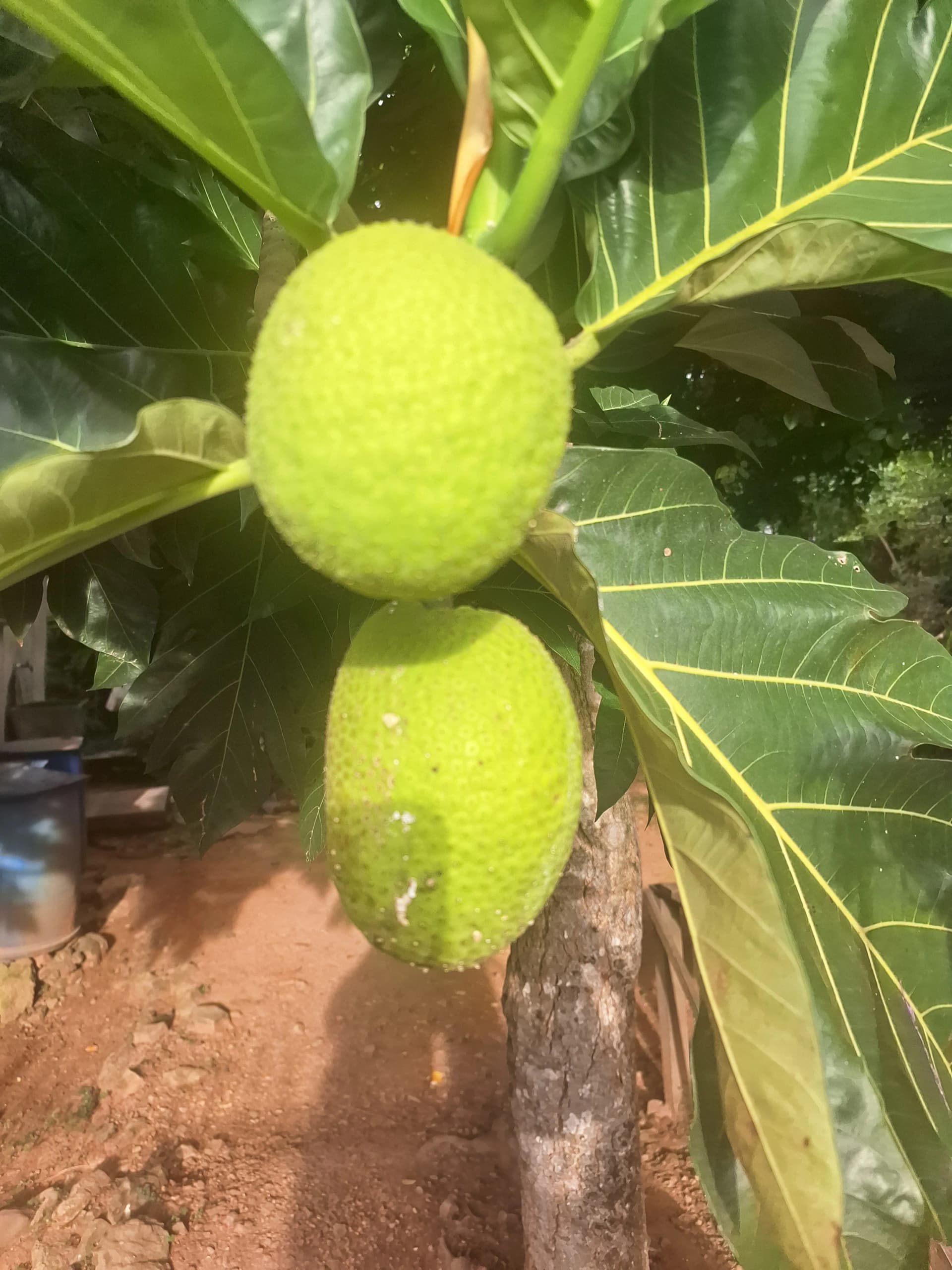
Breadfruit (wildfruit)
Protecting Biodiversity for Economic and Scientific Value
Papua New Guinea is one of the most biodiverse countries in the world. Its forests, mountains, and coral reefs contain thousands of unique species found nowhere else on Earth. This biodiversity has enormous scientific, medicinal, and economic value.
Conservation can contribute directly to economic development. Pharmaceutical research based on PNG’s plant species could lead to new medicines and commercial products. Conservation projects supported by international organizations can also provide funding and employment for local communities.
PNG can further benefit from global climate initiatives such as carbon trading and REDD+ programs, which reward countries for protecting forests that absorb carbon dioxide. By conserving biodiversity, PNG can attract international partnerships, environmental funding, and scientific research opportunities.
Protecting biodiversity also supports agriculture, fisheries, and tourism, since healthy ecosystems are essential for sustainable development.

Culture and beauty
Ecotourism as a Growing Industry
Papua New Guinea has exceptional tourism potential because of its natural beauty and cultural diversity. Its mountains, rainforests, coral reefs, wildlife, and traditional cultures make it one of the most unique destinations in the world. However, tourism remains underdeveloped due to limited infrastructure, security concerns, and lack of promotion.
Ecotourism could become a major source of income if developed responsibly. Activities such as birdwatching, diving, trekking, and cultural tourism can attract international visitors seeking authentic experiences. Unlike large-scale mass tourism, ecotourism focuses on environmental conservation and benefits for local communities.
To expand ecotourism, PNG needs better roads, airports, accommodation, and communication systems. Training programs for tour guides, hospitality workers, and local businesses would improve service quality. The government should also strengthen law and order to create a safer environment for tourists.
Importantly, local communities should play a central role in tourism projects. When communities receive direct benefits from tourism, they are more likely to protect natural and cultural heritage. Ecotourism can therefore create jobs, generate foreign exchange, and encourage conservation.
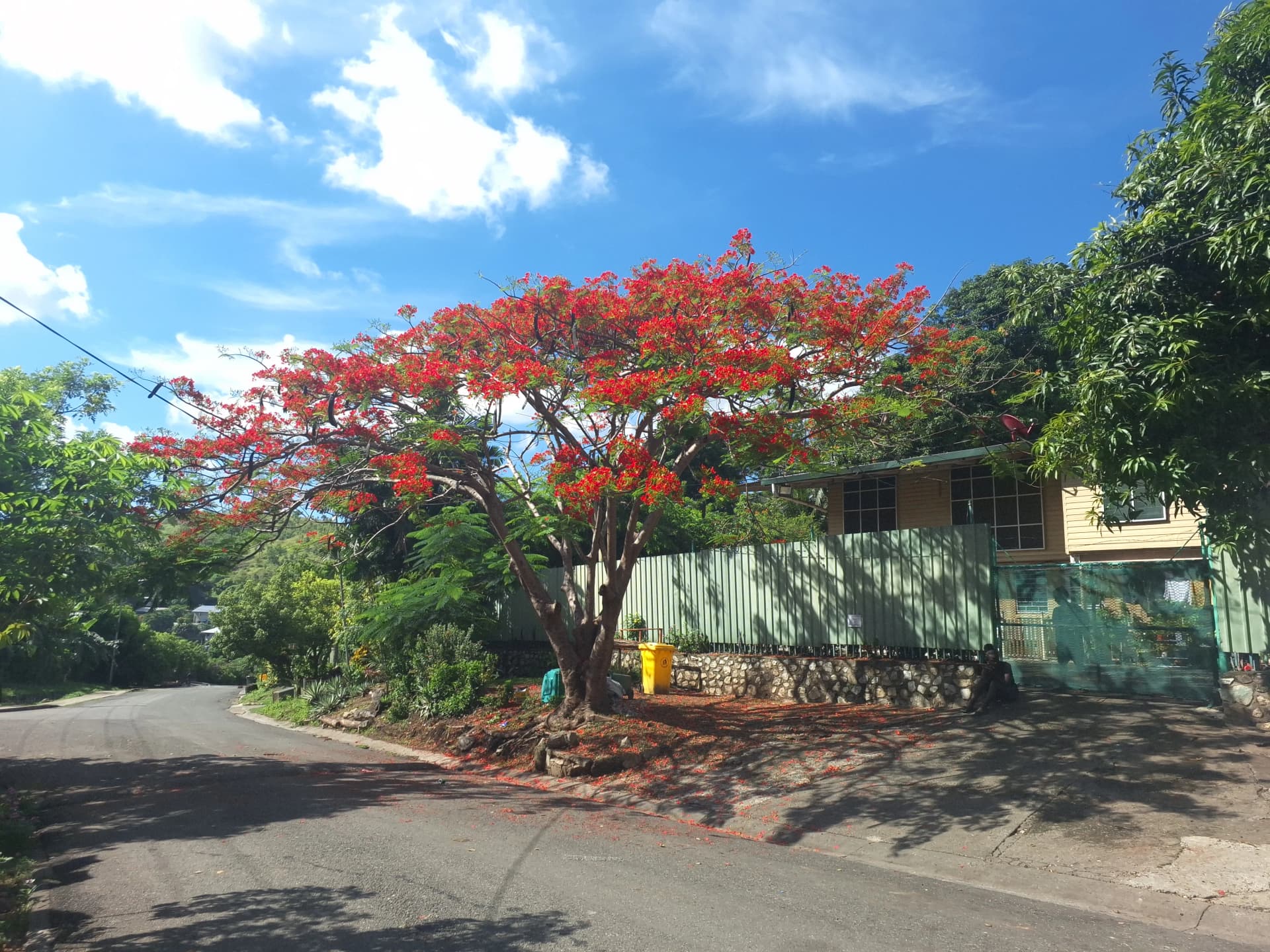
Need good roads
The Importance of Good Governance and Infrastructure
While natural resources provide enormous opportunities, economic success depends on good governance and effective management. Corruption, political instability, and weak institutions can prevent resources from benefiting the population. PNG must ensure transparency, accountability, and fair distribution of resource revenues.
Investment in education, healthcare, and infrastructure is also essential. Roads, ports, electricity, internet access, and financial services allow industries to grow and connect with markets. Skilled workers and strong institutions are necessary to support sustainable economic development.
The government should work closely with local communities, private businesses, and international partners to ensure that development is inclusive and environmentally responsible.
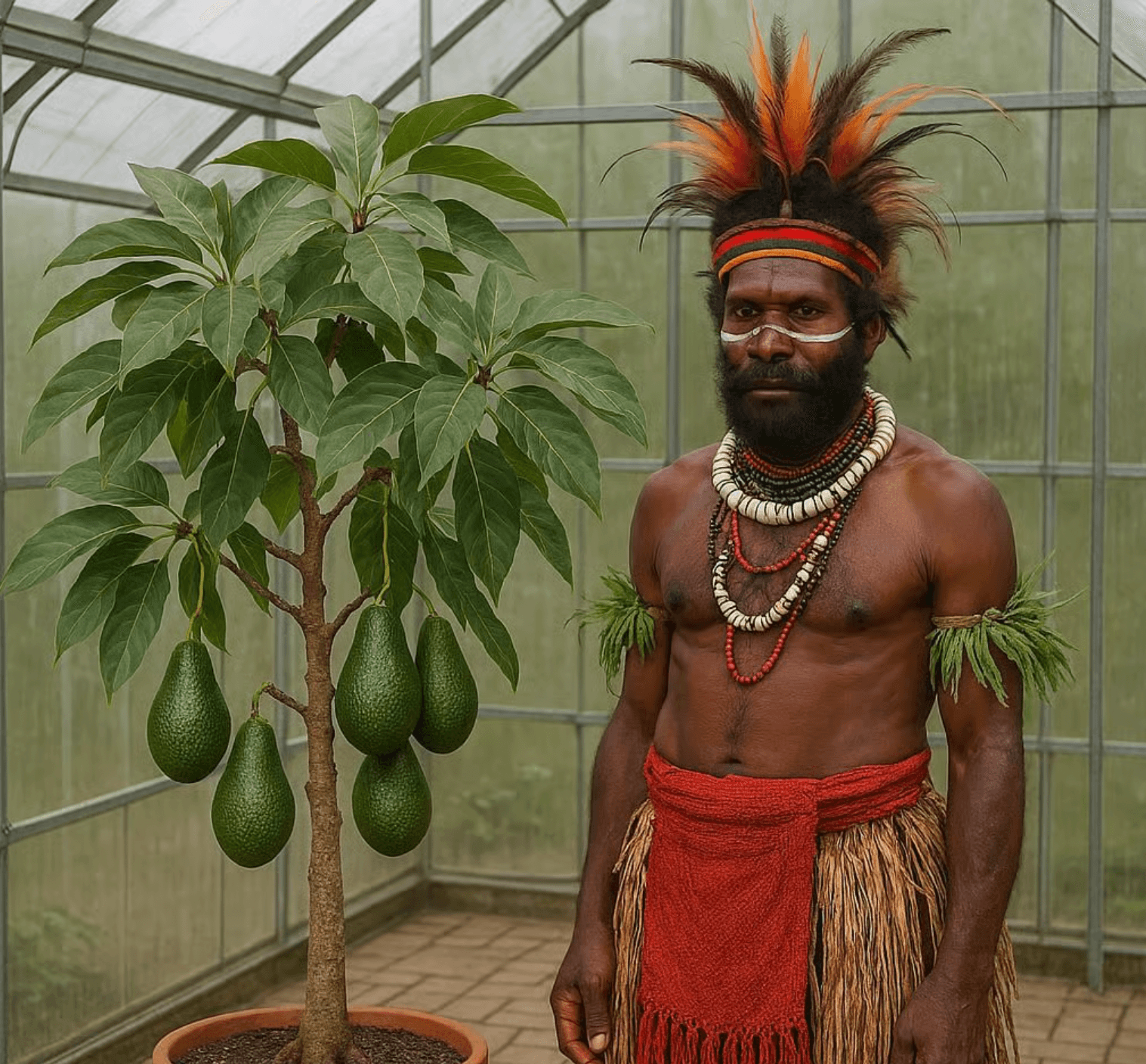
Avocado farming
Conclusion
Papua New Guinea has the potential to become one of the most prosperous countries in the Pacific by harnessing its abundant natural resources wisely. Agriculture, forestry, horticulture, fisheries, biodiversity conservation, and ecotourism all offer opportunities for job creation, export growth, and sustainable development. However, long-term success depends on responsible management, environmental protection, investment in infrastructure, and good governance.
If PNG can balance economic growth with sustainability, it can create a stronger economy that benefits both present and future generations. The country’s rich natural heritage is not only a source of wealth but also a foundation for national development and pride.
Originally published https://nalaus-newsletter.beehiiv.com/p/harnessing-papua-new-guinea-s-natural-resources-for-economic-growth