
Human cost of mining in Papua New Guinea
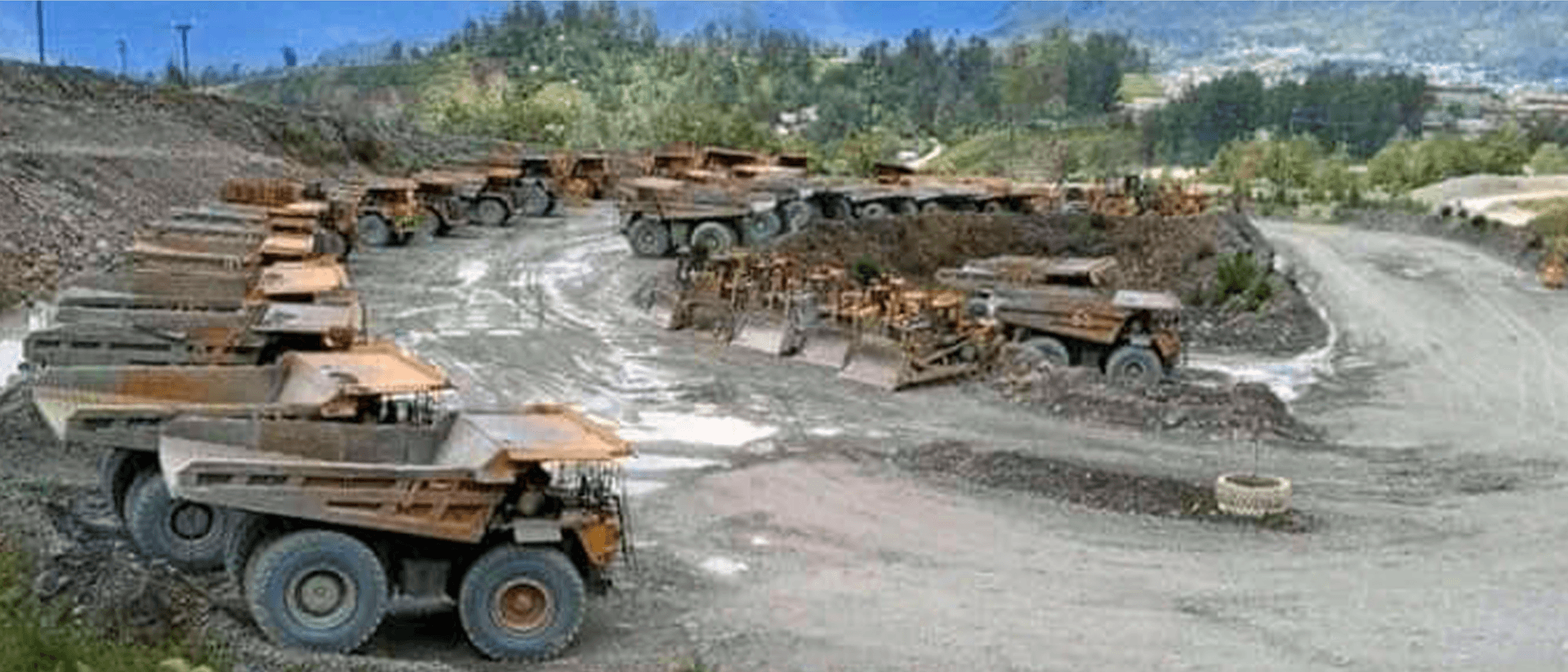
FOR more than 50 years, mining has been promoted as one of Papua New Guinea’s greatest economic opportunities.
Gold, copper and nickel have generated billions of dollars in revenue, attracted foreign investment and contributed significantly to government income. Yet beyond the production figures lies a more difficult question: Have the people living on the land where these minerals are extracted benefited as much as they had been promised?
The experiences of the Panguna, Porgera, Ramu Nickel and Hidden Valley mines suggest that while mining has contributed to the national economy, the benefits have often been unevenly distributed. Across these projects, landowners have repeatedly raised concerns about environmental damage, limited participation in decision-making and the perception that they carry many of the costs while receiving only a fraction of the rewards.
No mine illustrates this more clearly than Panguna.
When the Panguna Copper Mine opened in Bougainville in the early 1970s, it quickly became one of the world’s largest copper mines. Operated by Bougainville Copper Limited, then majority-owned by Rio Tinto, the mine generated substantial revenue for Papua New Guinea. However, many Bougainvilleans believed the wealth leaving their land was not reflected in improvements to their own communities.
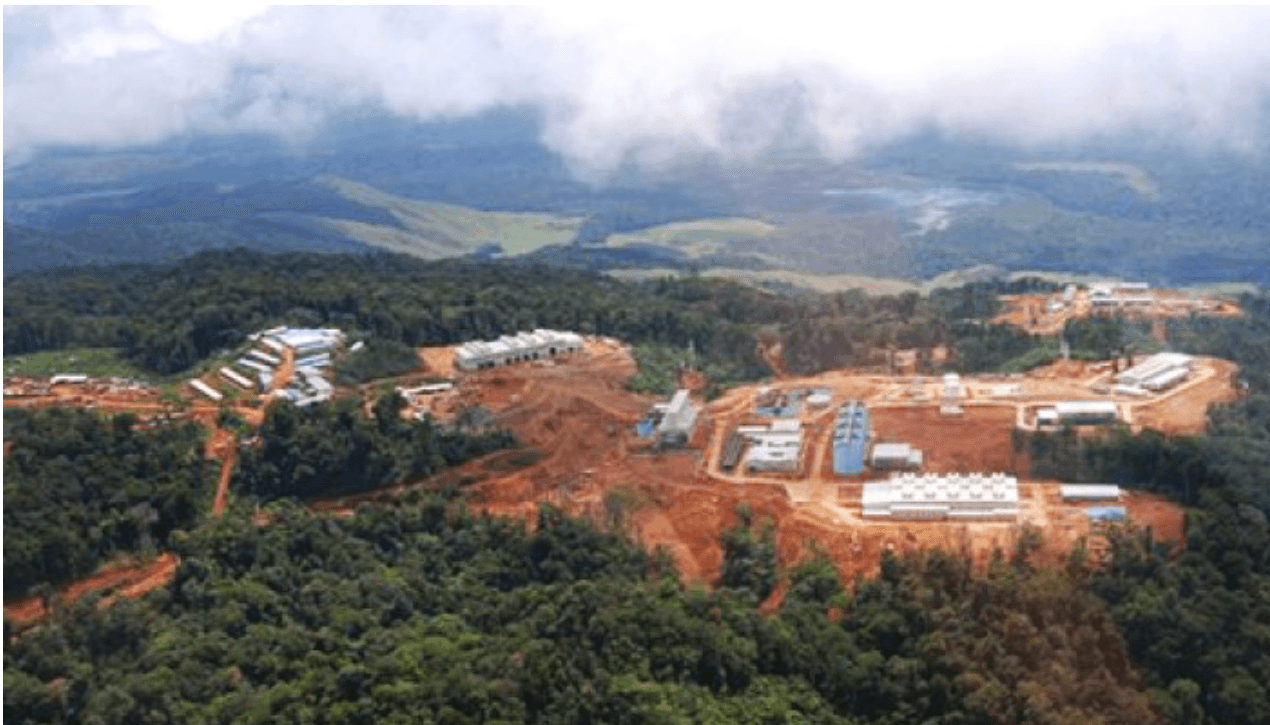
Nickel and cobalt mine in the Kurumbukari area of Madang's Usino- Bundi district
Large volumes of mine tailings were discharged into nearby rivers, damaging waterways and farmland that local communities depended upon. Landowners also argued they had little influence over environmental management or the distribution of mining revenue. Compensation became another source of frustration as many believed payments did not reflect the value of the land or the scale of environmental damage.
These grievances became one of the major factors that contributed to the Bougainville Crisis between 1988 and 1998, a conflict that claimed between 10,000 and 20,000 lives. While the conflict had political, historical and social causes beyond mining alone, Panguna became a powerful symbol of what can happen when resource development proceeds without meaningful local participation.
Today the situation is changing. The Autonomous Bougainville Government now holds majority ownership in Bougainville Copper Limited and has expressed its intention to reopen Panguna as part of Bougainville’s long-term economic plans. Whether a future mine avoids repeating the mistakes of the past will depend largely on how landowners are involved in decision-making and benefit-sharing.
Many of the same issues have continued elsewhere.
The Porgera gold mine in Enga has produced enormous amounts of gold since commercial operations began in 1990. Operated for much of its history by Barrick Niugini Ltd, the mine has also experienced repeated disputes over compensation, environmental concerns and allegations of human rights abuses involving security personnel.
One of the most persistent issues has been trust between landowners, the company and the State. Compensation disputes have contributed to repeated shutdowns, while concerns over riverine tailings disposal prompted the approval of an environmental audit after decades of operation.
Porgera demonstrates that even highly profitable mines remain vulnerable when surrounding communities believe their concerns are addressed only after tensions reach crisis point. Government intervention has often restored operations, but long-term grievances have continued to resurface, suggesting that temporary solutions cannot replace consistent engagement with landowners.
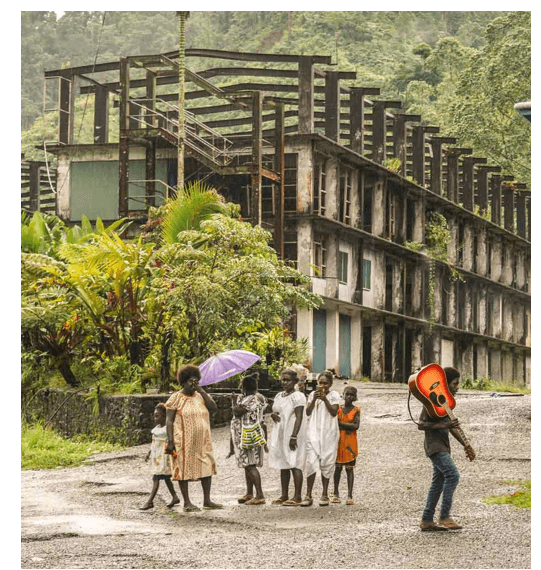
Abandoned infrastructure at the closed down Panguna mine in Bougainville
The Ramu Nickel Mine in Madang presents a different challenge.
Operated by the Chinese-owned Metallurgical Corporation of China through Ramu NiCo Management, the mine has brought employment opportunities, infrastructure development and royalty payments to the province. However, questions have persisted over the extent to which local workers have benefited from long-term skills transfer.
During construction, large numbers of Chinese workers were brought into Papua New Guinea to develop the project. Although PNG nationals now make up most of the workforce, concerns remain that many technical and specialist positions continue to rely heavily on expatriate expertise. This has led some observers to question whether mining projects are doing enough to prepare Papua New Guineans to eventually manage these operations themselves.
Environmental concerns have also remained central to public debate. Deep-sea tailings placement has been criticised by environmental groups and local communities concerned about its potential impact on marine ecosystems and coastal livelihoods. While landowners receive royalties and participate in benefit-sharing arrangements, many continue to argue they have limited influence over environmental decisions that directly affect their communities.
In Morobe, the Hidden Valley Gold Mine reflects another version of the same story.
Operated by Harmony Gold following its acquisition of Newcrest’s interest, Hidden Valley has generated royalties, employment and business opportunities. At the same time, local communities have raised concerns about pollution affecting the Watut River, food gardens and traditional alluvial mining activities.
Environmental assessments acknowledged impacts requiring remediation, while rapid population growth around the mine has placed additional pressure on housing, policing and community services. Although mining has brought economic activity, many residents argue that development has not kept pace with the social challenges accompanying large-scale resource projects.
Looking across all four mines, several patterns emerge.
Environmental damage remains one of the most common concerns. Whether through river pollution, tailings disposal or impacts on agricultural land, local communities have repeatedly argued that environmental costs continue long after minerals leave the ground.
Landowner participation is another recurring issue. Across each project, disputes have centred not only on compensation but also on involvement in decisions affecting customary land. Communities have consistently sought a greater voice in how projects operate rather than simply receiving benefits after key decisions have already been made.
The distribution of wealth also continues to raise difficult questions. Mining has generated billions of dollars for companies and significant revenue for the State. Royalties, employment and community development programmes have delivered benefits to many host provinces, yet the scale of those benefits often appears modest when compared with the value of the resources extracted. This perception has fuelled ongoing debate over whether existing benefit-sharing arrangements adequately reflect the contribution made by customary landowners.
Recent efforts by the Papua New Guinea Government to renegotiate mining agreements and increase national participation suggest these concerns are being recognised. However, lasting reform will depend on more than changes in ownership. Transparent agreements, stronger environmental oversight, meaningful landowner consultation and greater investment in skills transfer will all be needed if future projects are to avoid repeating the conflicts of the past.
Mining will remain an important part of Papua New Guinea’s economy for many years to come. The question is no longer whether the country should develop its mineral wealth, but how that wealth should be shared.
The experiences of Panguna, Porgera, Ramu Nickel and Hidden Valley demonstrate that successful mining cannot be measured by production figures alone. It must also be measured by whether host communities see lasting improvements in their livelihoods, whether the environment is protected for future generations and whether landowners are treated not simply as stakeholders, but as genuine partners in development.
Only then can mining fulfil the promise that has accompanied it since Papua New Guinea first began exporting its mineral wealth more than half a century ago.
Link: https://www.thenational.com.pg/human-cost-of-mining-in-png/